Introduction
While many associate the formal establishment of Islam in Belize with the arrival of the Nation of Islam in 1972, evidence strongly suggests that Muslim presence in Belize predates that period by centuries. The roots of Islam in Belize are intertwined with African heritage, the transatlantic slave trade, and early global exploration.
Early Muslim Presence in the Americas
According to Dr. Abdullah Hakim Quick in Deeper Roots, Islam’s presence in the Caribbean stretches back over a thousand years, predating European contact. Scholars such as Ivan Van Sertima have argued that African Muslim explorers may have reached the Americas before Columbus.
These early contacts remain debated, but they form part of a broader historical framework acknowledging Africa’s deep transatlantic connections.
Islam Through Enslaved Africans
The most documented Muslim presence in Belize came through enslaved Africans. Historian Nigel Bolland in Slavery in Belize records that Africans dominated the population in early 19th-century Belize. Many enslaved Africans came from regions of West Africa — Senegal, Gambia, Mali, and Nigeria — where Islam had been firmly established for centuries.
Governor John Burton’s 1838 writings observed free Blacks who refused alcohol due to “Mahometan connexions,” strongly suggesting Islamic influence.
Even under slavery, Muslims preserved elements of their faith:
Rejection of alcohol and pork
Retention of Arabic literacy (as noted by British official Robert Madden in Jamaica)
Observance of ritual prayer traditions
Though orthodox Islam did not survive institutionally under slavery, cultural retention endured.
Cultural Retention in Belize
Certain Belizean cultural practices reflect possible Islamic retention:
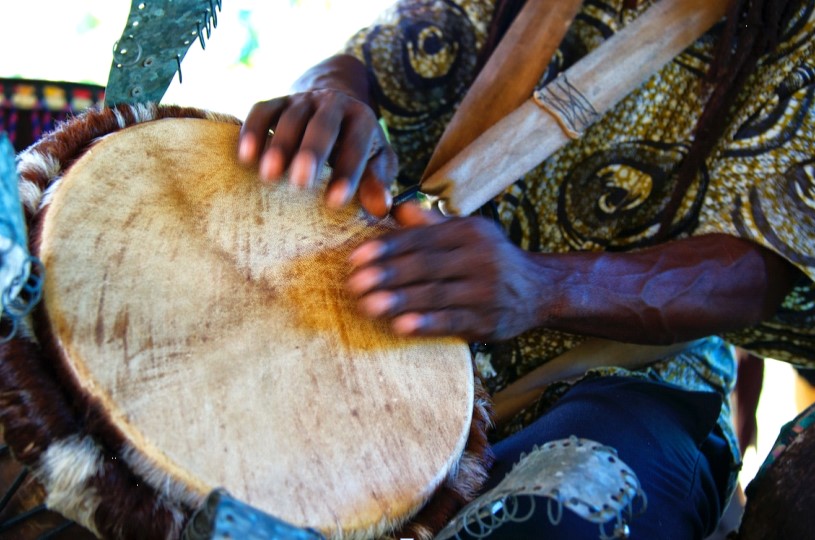
The Sambai drum tradition (linked to West African Muslim regions like The Gambia)
The “Husse-Messe” dance among East Indians, reflecting Shi’a commemorations of Karbala
Use of Arabic greetings such as “Salaam”
These practices, while often secularized, point toward ancestral Islamic connections.
Conclusion
Islam in Belize did not begin in 1972. It existed in fragments—through enslaved Africans, indentured Indians, and early Arab migrants. The formal organization of Islam in Belize would come later, but its spiritual roots run much deeper into the country’s history.
About anonymous
A dedicated Islamic scholar and educator committed to sharing knowledge and promoting understanding of Islam.
Related Articles
Islam and Cultural Retention in Belize: From Slavery to Modern Communities
Islam in Belize is more than a religion; it is a living testament to the resilience and cultural continuity of African and immigrant communities. From enslaved Africans who secretly practiced Islam to East Indian and Arab settlers preserving their traditions, this article explores how Islam has influenced Belizean culture, education, and social life.
African Muslim Heritage in the Caribbean Before European Contact
Long before European colonization, historical arguments and cultural traces suggest that Muslims from West Africa had already reached parts of the Americas and the Caribbean. This article explores early African Muslim presence and its lasting cultural impact.
The Origins and Evolution of Muslim Presence in Belize
Belize, a small but culturally rich nation in Central America, has a Muslim presence that traces its roots back centuries, predating even the colonial era. From African Muslim ancestors to Arab merchants and the influential Nation of Islam, the evolution of Islam in Belize reflects resilience, adaptation, and cultural retention. This article explores the historical journey of Muslims in Belize, highlighting their contributions to society and the development of a thriving Sunni community today.