Introduction
The history of Islam in the Caribbean cannot be reduced to modern migration or 20th-century movements. According to scholars like Abdullah Hakim Quick and Ivan Van Sertima, Muslim contact with the Americas may predate Columbus by centuries.
This perspective reframes Islam not as a foreign transplant, but as part of a deep Atlantic history.
West African Islamic Civilizations and Maritime Exploration
By the 10th and 11th centuries, Islam was well established in:
Mali
Senegal
Gambia
Guinea
Northern Nigeria
These were not primitive societies — they were organized Islamic civilizations with scholarship, governance, and trade networks.
Historical accounts suggest that Muslim rulers of Mali sponsored westward expeditions across the Atlantic. Though controversial, such claims align with oral traditions and archaeological debates.
The Garifuna Question and Islamic Cultural Parallels
The Garifuna people — also known as Black Caribs — are found in Belize and throughout Central America.
Some researchers suggest possible intermarriage between early African Muslim explorers and indigenous populations. Cultural parallels include:
Modest dress traditions among Garifuna women
Linguistic structures adaptable to Arabic script
Historical records referencing “Muhammadans” in colonial populations
While debated, these discussions open important questions about pre-Columbian Muslim presence.
Conclusion
Even where physical relics are absent, cultural memory and historical scholarship indicate that Islam’s relationship with the Caribbean may be older and deeper than commonly assumed.
About Ammar
A dedicated Islamic scholar and educator committed to sharing knowledge and promoting understanding of Islam.
Related Articles
Islam and Cultural Retention in Belize: From Slavery to Modern Communities
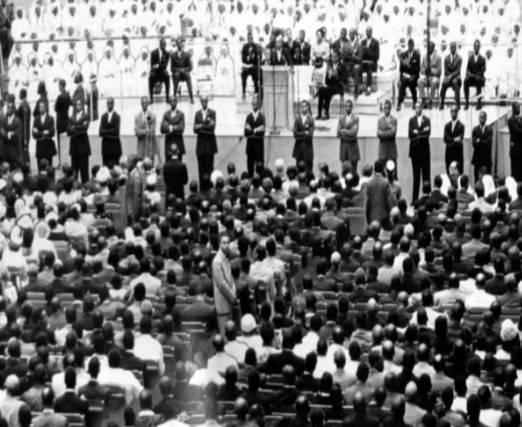
Islam in Belize is more than a religion; it is a living testament to the resilience and cultural continuity of African and immigrant communities. From enslaved Africans who secretly practiced Islam to East Indian and Arab settlers preserving their traditions, this article explores how Islam has influenced Belizean culture, education, and social life.
The Historical Roots of Islam in Belize Before 1972
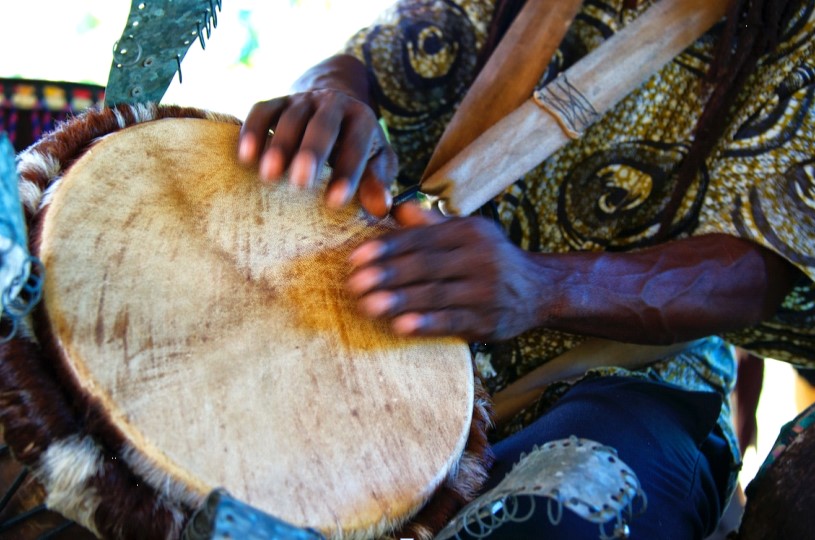
Islam existed in Belize long before 1972, carried by enslaved Africans, indentured Indians, and early Arab migrants. Evidence includes West African Islamic practices, Arabic literacy, ritual prayer traditions, and cultural elements like the Sambai drum and “Husse-Messe” dance. Though formal institutions did not survive slavery, these fragments reveal deep spiritual roots in Belizean history.

The Origins and Evolution of Muslim Presence in Belize
Belize, a small but culturally rich nation in Central America, has a Muslim presence that traces its roots back centuries, predating even the colonial era. From African Muslim ancestors to Arab merchants and the influential Nation of Islam, the evolution of Islam in Belize reflects resilience, adaptation, and cultural retention. This article explores the historical journey of Muslims in Belize, highlighting their contributions to society and the development of a thriving Sunni community today.