Introduction: Islam as Cultural Continuity
Islamic traditions in Belize reflect centuries of migration, adaptation, and cultural retention. Anthropologists describe cultural retention as practices carried from ancestral homelands. In Belize, this is evident in rituals, music, dances, and social practices tracing back to West African Muslim heritage, particularly from regions like Gambia and Nigeria.
Even before the arrival of organized Islamic institutions, African Muslims maintained their religious identity clandestinely, performing prayers and reading the Quran in secret. This resilience is a powerful example of cultural survival amidst oppression.
African Muslim Influence in Early Belize
Early evidence suggests that African Muslims arrived in Belize via the transatlantic slave trade. Scholars like Ivan Van Sertima and Sylviane Diouf argue that many enslaved Africans were Muslims, bringing with them literacy in Arabic, ritual knowledge, and moral discipline.
Accounts from Jamaica, cited by Sultana Afrozi, show enslaved Muslims resisting conversion, maintaining Islamic practices, and transmitting knowledge across generations. These influences persisted in Belize, particularly in villages like Gales Point, where cultural practices linked to Islamic customs survived.
Historian Nigel Bolland notes that in 1838, free African Belizeans displayed aversion to alcohol, a practice rooted in Islamic teachings, suggesting early Muslim influence in shaping local social norms.
East Indian and Arab Muslim Communities
The first Muslim migrants arrived as East Indian indentured laborers following the 1857 Indian Mutiny. While the majority were Hindu, small pockets of Muslims maintained religious practices, such as the Husse-Messe dance commemorating Imam Hussein. Streets like Muhammadali in Belize City preserve their historical presence.
The second wave came from Arab merchants in the 1920s–1930s. Many were Muslims, Christians, or Jews, but their cultural identity as Arabs remained prominent. Intermarriage with local women often led to children receiving Christian education, resulting in gradual decline of Islamic observance among descendants.
Nation of Islam and the Modern Muslim Community
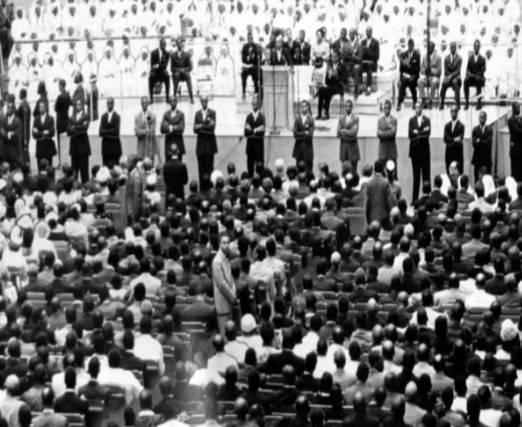
The third wave of Islam in Belize began in 1960 with Charles X Eagan, followed by Bert X Simon in 1972. The Nation of Islam (NOI) initially combined religious teaching with Black nationalist ideology. Despite its controversial theology, it provided a platform for community organization, education, and youth engagement.
Following the death of Elijah Muhammad in 1975 and the leadership of Imam Warith Deen Muhammad, the community transitioned to mainstream Sunni Islam. This shift emphasized Quranic principles, universal Islam, and decentralization of authority, giving birth to the Islamic Mission Belize (IMB).
Islamic Contributions to Belizean Society
Today, the IMB governs its affairs based on Shura (mutual consultation) and Quranic principles. Key contributions include:
Education: The Sister Clara Muhammad School, established in 1976, receives government support and provides Islamic education alongside secular subjects.
Community Development: Socially beneficial programs, lectures, and town-hall meetings engage both Muslims and non-Muslims.
Infrastructure: The Masjid Al Falah, completed in 2010, serves as a hub for religious, social, and educational activities.
Youth Programs: IMB supports youth engagement, prison dawah programs, and regional Islamic collaboration.
Conclusion
The Muslim community in Belize exemplifies perseverance, adaptation, and integration. From African Muslim ancestors to modern Sunni institutions, Islam has shaped Belizean culture, contributed to education, and enriched social life. Today, approximately 5,000 Muslims in Belize maintain a vibrant, autonomous community connected to the global Ummah while preserving their unique heritage in the Caribbean context.
About AQ
A dedicated Islamic scholar and educator committed to sharing knowledge and promoting understanding of Islam.
Related Articles
The Historical Roots of Islam in Belize Before 1972
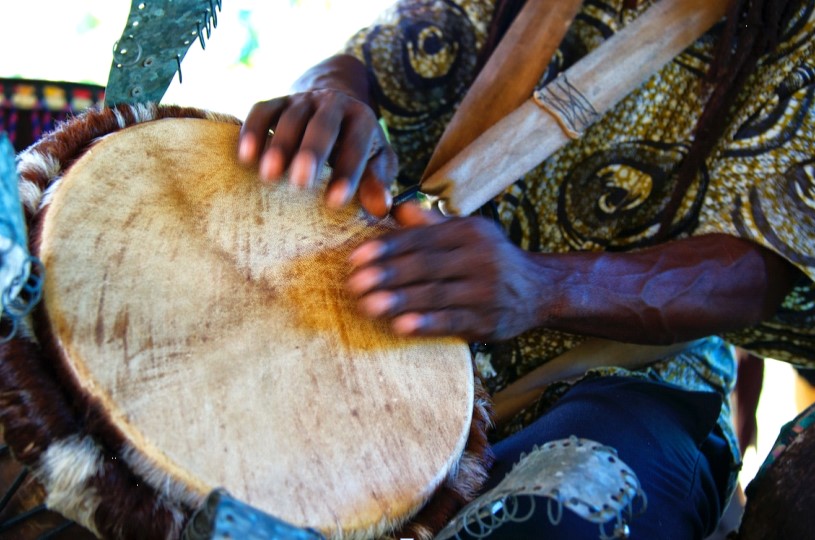
Islam existed in Belize long before 1972, carried by enslaved Africans, indentured Indians, and early Arab migrants. Evidence includes West African Islamic practices, Arabic literacy, ritual prayer traditions, and cultural elements like the Sambai drum and “Husse-Messe” dance. Though formal institutions did not survive slavery, these fragments reveal deep spiritual roots in Belizean history.
African Muslim Heritage in the Caribbean Before European Contact
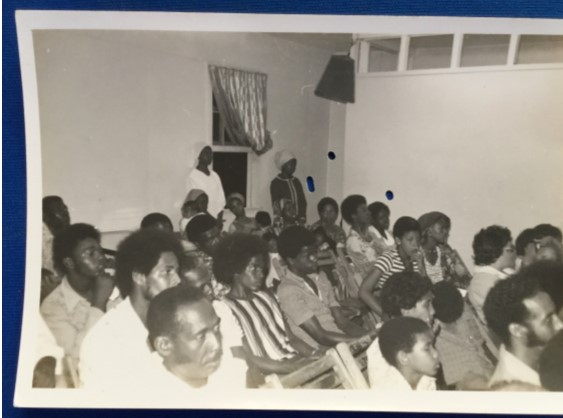
Long before European colonization, historical arguments and cultural traces suggest that Muslims from West Africa had already reached parts of the Americas and the Caribbean. This article explores early African Muslim presence and its lasting cultural impact.
The Origins and Evolution of Muslim Presence in Belize
Belize, a small but culturally rich nation in Central America, has a Muslim presence that traces its roots back centuries, predating even the colonial era. From African Muslim ancestors to Arab merchants and the influential Nation of Islam, the evolution of Islam in Belize reflects resilience, adaptation, and cultural retention. This article explores the historical journey of Muslims in Belize, highlighting their contributions to society and the development of a thriving Sunni community today.